11th March 2026
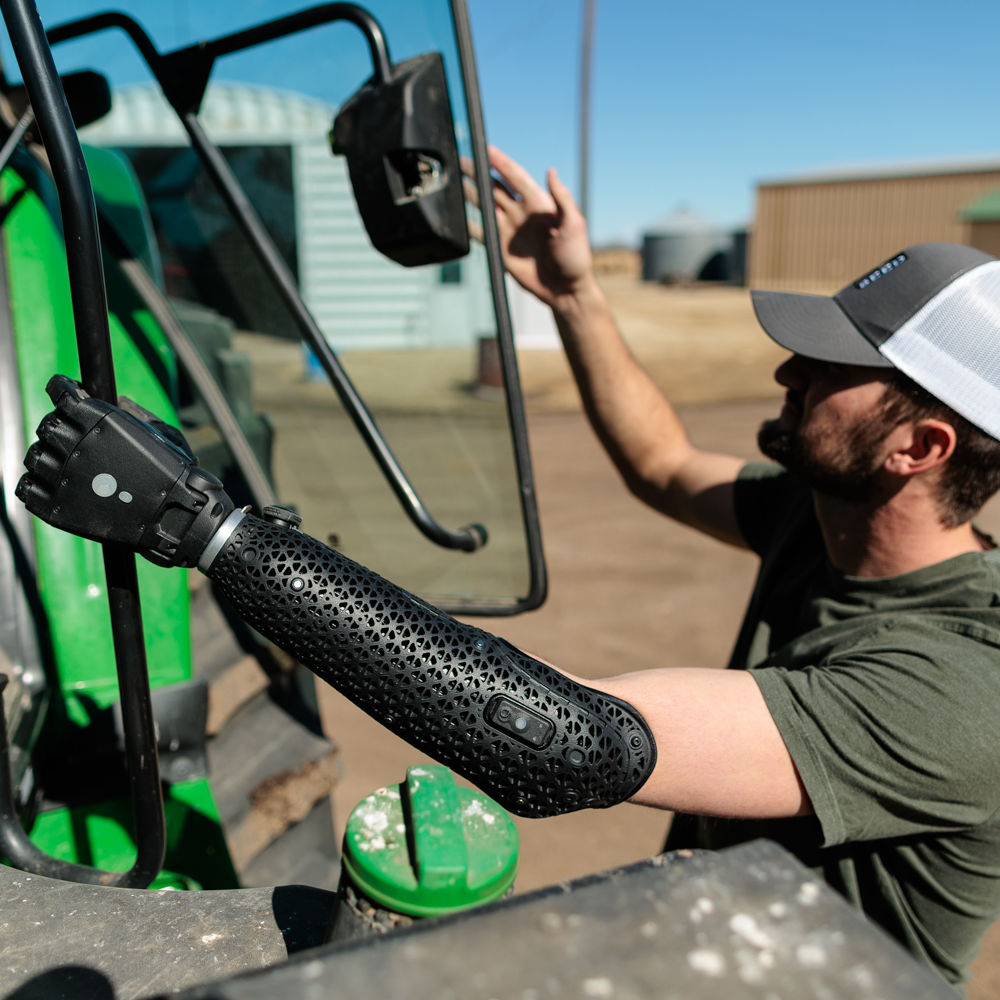
Prosthetic arm cost varies widely depending on technology, customization, insurance coverage, and clinical care. Basic prosthetic arms may cost several thousand dollars, while advanced myoelectric or bionic arms can cost significantly more. Most people receive prosthetic devices through insurance coverage, Medicare, or funding programs rather than paying the full cost themselves.
People exploring prosthetic technology usually arrive at the same question early in their research.
How much does a prosthetic arm cost?
The answer varies widely. Prosthetic arms are custom medical devices designed around the anatomy, lifestyle, and clinical needs of each individual user. Technology level, insurance coverage, the prosthetic clinic providing care, and regional healthcare policies all influence the final cost.
The moment many people first encounter the price of a prosthetic arm can feel surprising.
“I remember sitting there with my first estimate thinking there was no way that number was right,” said Lucas Slusher, a Hero PRO user who previously used a Hero Arm. “You expect medical gear to be expensive, but you don’t expect a device you need for everyday life to cost the same as a big life purchase.”
A single number rarely tells the full story. Access to prosthetic technology is usually shaped by insurance pathways, reimbursement rules, and clinical evaluation rather than a retail price tag.
The most important step is that first conversation with a prosthetist. Fill out the form below for a free consultation.
Pricing complexity exists because prosthetics operate within the healthcare system rather than the consumer electronics market. Devices must meet medical standards, receive clinical approval, and be supported through long-term care.
“The healthcare system sets the price,” said Joel Gibbard, co-founder of Open Bionics. “Competition is then around who can provide the highest quality at that price.”
Several factors influence prosthetic arm pricing:
Insurance regulations vary between states. Some states have prosthetic parity laws requiring insurers to cover advanced prosthetic technology. Others follow different reimbursement structures that affect approval pathways.
Medicare coverage follows national guidelines but is administered regionally through Medicare Administrative Contractors. Documentation requirements and reimbursement policies may vary depending on location.
Private insurance plans also vary widely. Deductibles, prior authorization policies, and definitions of medical necessity all influence whether a prosthetic device is approved.
More information about coverage is available in these guides:
Does Health Insurance Cover Prosthetics?
Does Medicare Cover Prosthetics?
Prosthetic arms are crafted medical devices rather than mass-produced products. Each device is designed around the shape of the residual limb, the user’s muscle signals, and their daily activities.
“Prosthetic arms are crafted, not mass produced,” Lucas explained. “Every arm is built around your limb shape and your muscle signals. That level of customization adds up.”
Modern prosthetic technology includes several different categories.
Several types of prosthetic arms exist today, ranging from simple supportive devices to advanced bionic hands. Each category offers different functionality and affects the overall prosthetic arm cost.
| Prosthetic Type | Description |
|---|---|
| Passive prosthetic | Lightweight device used mainly for stabilization or cosmetic appearance |
| Body-powered prosthetic | Cable-driven prosthetic controlled by shoulder movement |
| Myoelectric prosthetic | Electrically powered prosthetic controlled by muscle signals |
| Advanced bionic prosthetic | Multi-grip myoelectric prosthetic designed for complex tasks |
Learning how to get a prosthetic arm begins with a conversation. A free prosthetic consultation allows clinicians to evaluate limb health, discuss lifestyle goals, and explain available technology.
“If you’re just beginning this journey, the first step is easy,” Lucas said. “Sign up for a consultation and see what’s possible.”
Hero PRO Overview
Hero RGD Bionic Arm
How to get a prosthetic arm
How Do Prosthetic Arms Work
Prosthetic arm cost varies depending on technology, customization, insurance coverage, and clinical care. Many prosthetic devices are partially or fully covered through insurance or Medicare.
Many prosthetic arms are covered by private insurance or Medicare when prescribed by a physician and supported by clinical documentation.
Prosthetic arms are custom medical devices that require specialized materials, electronics, and clinical care during the fitting process.
Many prosthetic users upgrade their device as technology improves or their lifestyle needs change. Most insurance support an upgrade after three to five years.
The most accurate way to understand cost is through a consultation with a prosthetist who can evaluate your limb health, insurance coverage, and prosthetic options.
Certified prosthetists and specialized upper-limb clinics provide consultations and fittings. Many clinics offer virtual consultations before scheduling an in-person visit. It all starts here.


